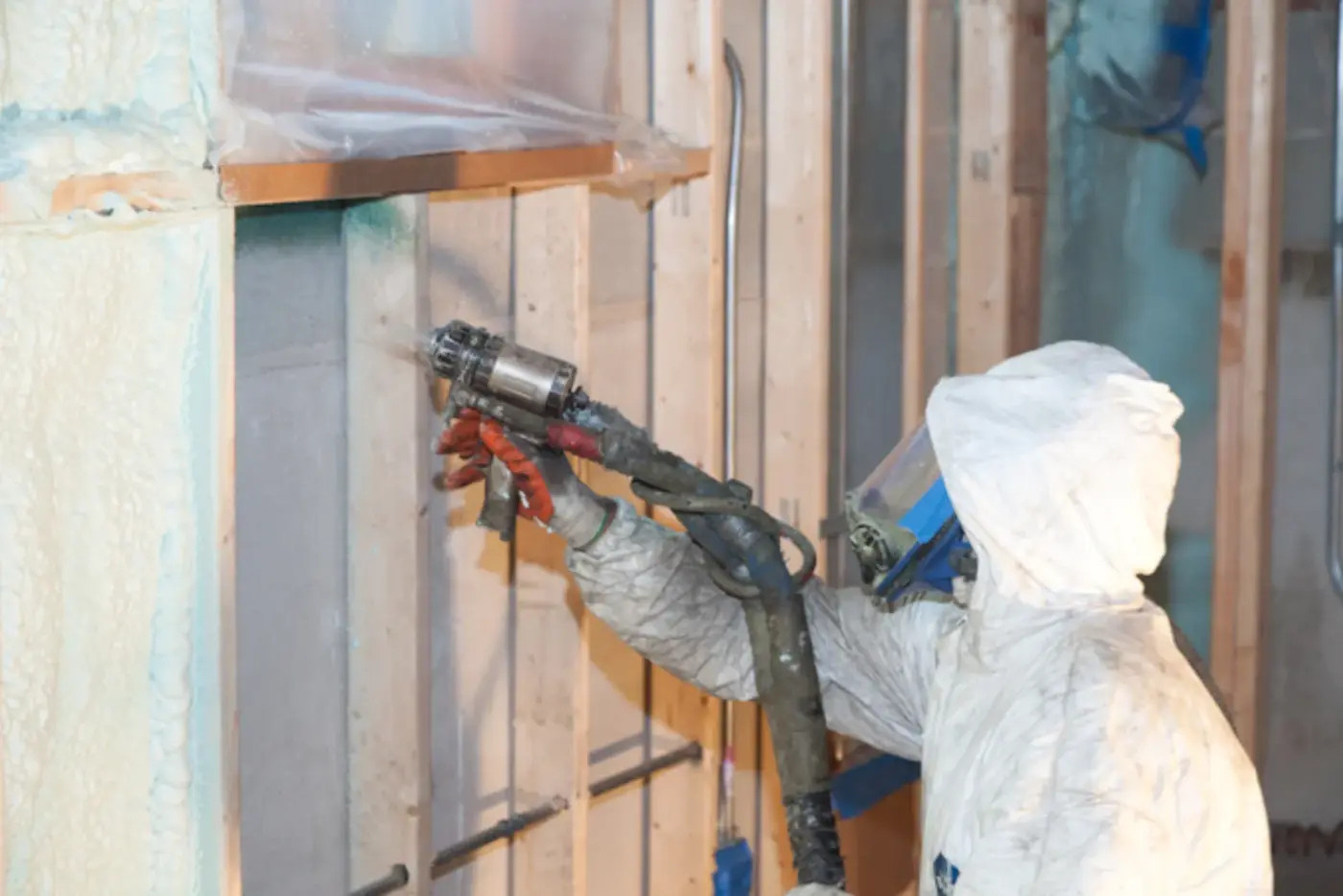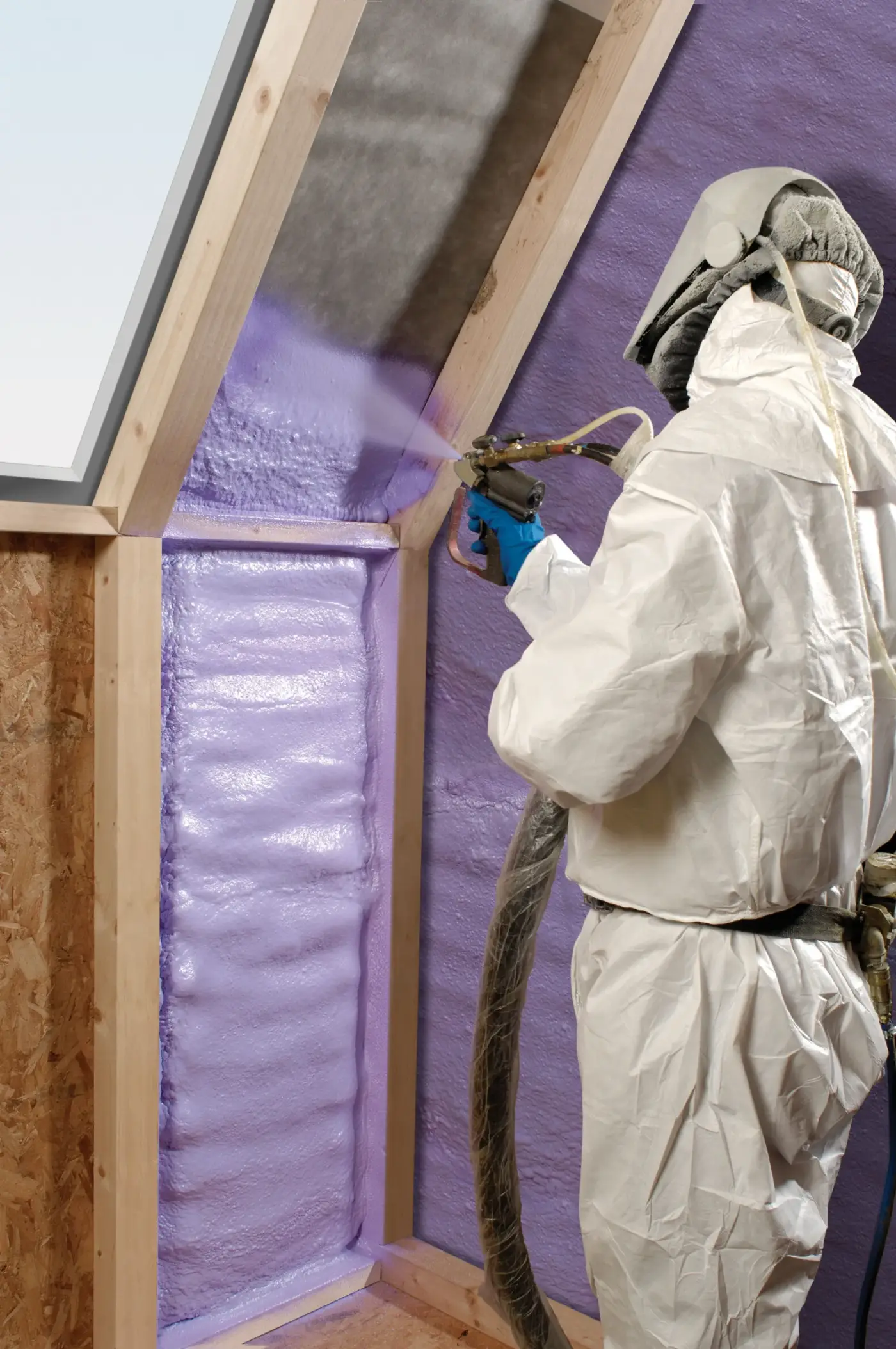
Spray foam quotes are board-foot math wearing a project's clothes: area times depth times foam type, plus prep and access. Vegas adds its own multipliers — brutal attic conditions and a housing stock heavy on tile roofs and tight attic hatches.
The board-foot core
A board foot is one square foot at one inch deep. Closed-cell costs more per board foot than open-cell but delivers nearly double the R per inch — so the real comparison is cost per unit of R, per area treated. Estimates that quote 'the attic' without depth and type are quoting fog.
Prep and removal
Existing blown-in insulation usually comes out before roofline foam goes in — removal is dusty, bagged-by-hand labor priced by the square foot. Masking, lighting, and staging in an occupied house are real line items; a bare new-construction shell prices friendlier.
Access and season
Tight hatches, low-slope rooflines, and 140-degree working conditions slow crews and show up in labor. Summer scheduling here often means dawn starts; winter is the pleasant season in a Vegas attic and sometimes the pleasant price too.
Where not to save
Thickness is the spec that delivers the R — shaving an inch to hit a price hits performance forever. Save instead on scope: foam the roof deck and air-seal the lid properly rather than foaming every wall on principle. The energy math in this climate pays back the attic first, always.
Getting a quote that means something
Send attic photos, note the hatch size and roof type, and require board-foot specs in writing. Compare cost per R delivered, not totals — and treat thickness as untouchable while negotiating everything else.
Booking outside peak summer often buys both schedule and price; the foam performs the same, the crew works better, and so does the number.