Las Vegas houses announce insulation failure in summer: rooms the AC cannot hold, bills that spike with the temperature, systems running from noon to midnight. Those symptoms have a short diagnostic list, and most of it lives in the attic.
The symptom set
One room hot while others hold; upstairs unlivable by afternoon; AC short on capacity it had five years ago; supply air warm at the far registers. Each points at the lid — thin attic insulation, duct leakage in a 150-degree attic, or attic air finding paths into the envelope.
What the pro actually checks
Attic insulation depth and coverage gaps, duct condition and connection leaks, penetrations pouring attic air into walls, and whether the attic should stay vented or convert to an unvented foamed roofline. Thermal cameras and a blower door turn the guesswork into a map.
Where DIY ends
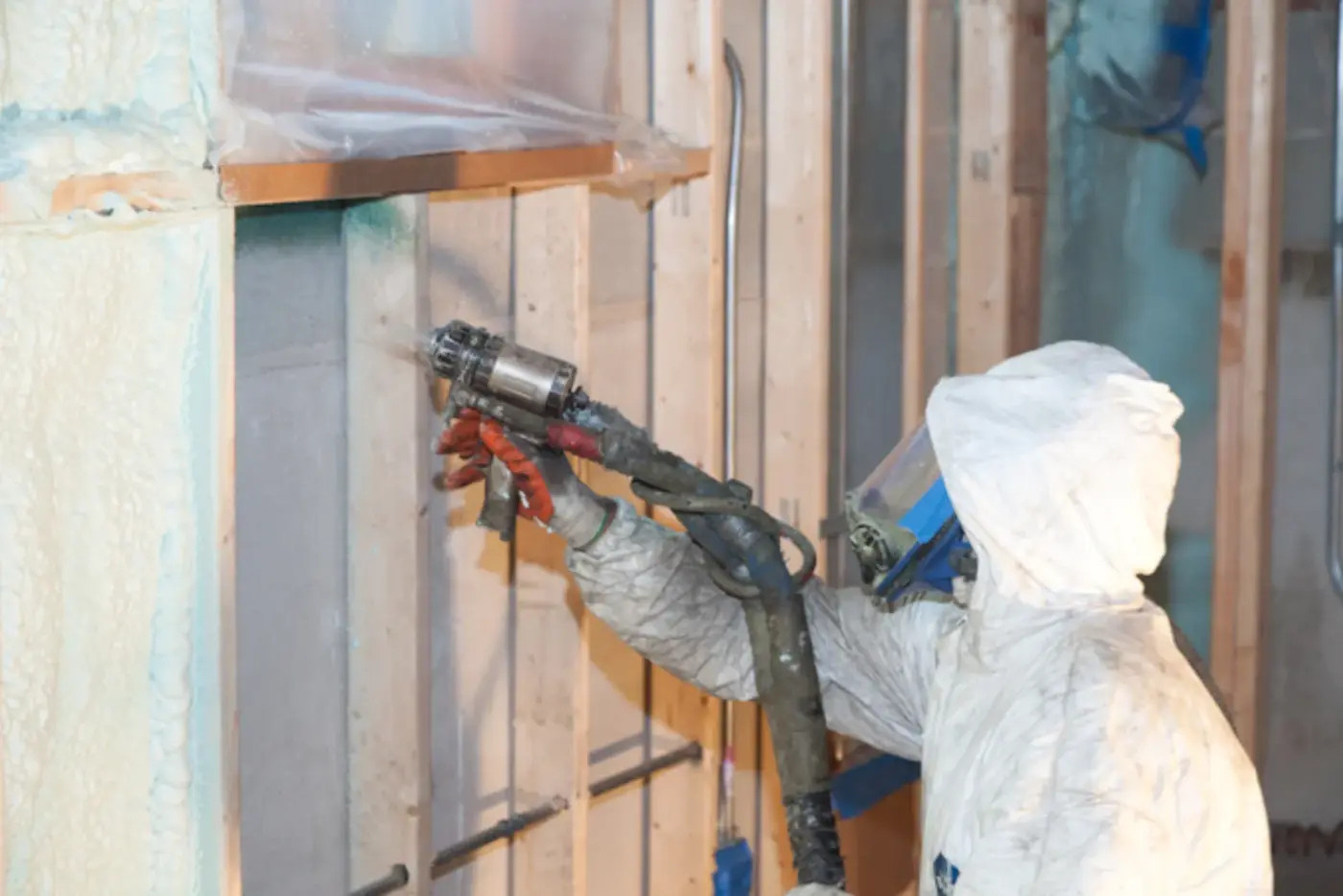
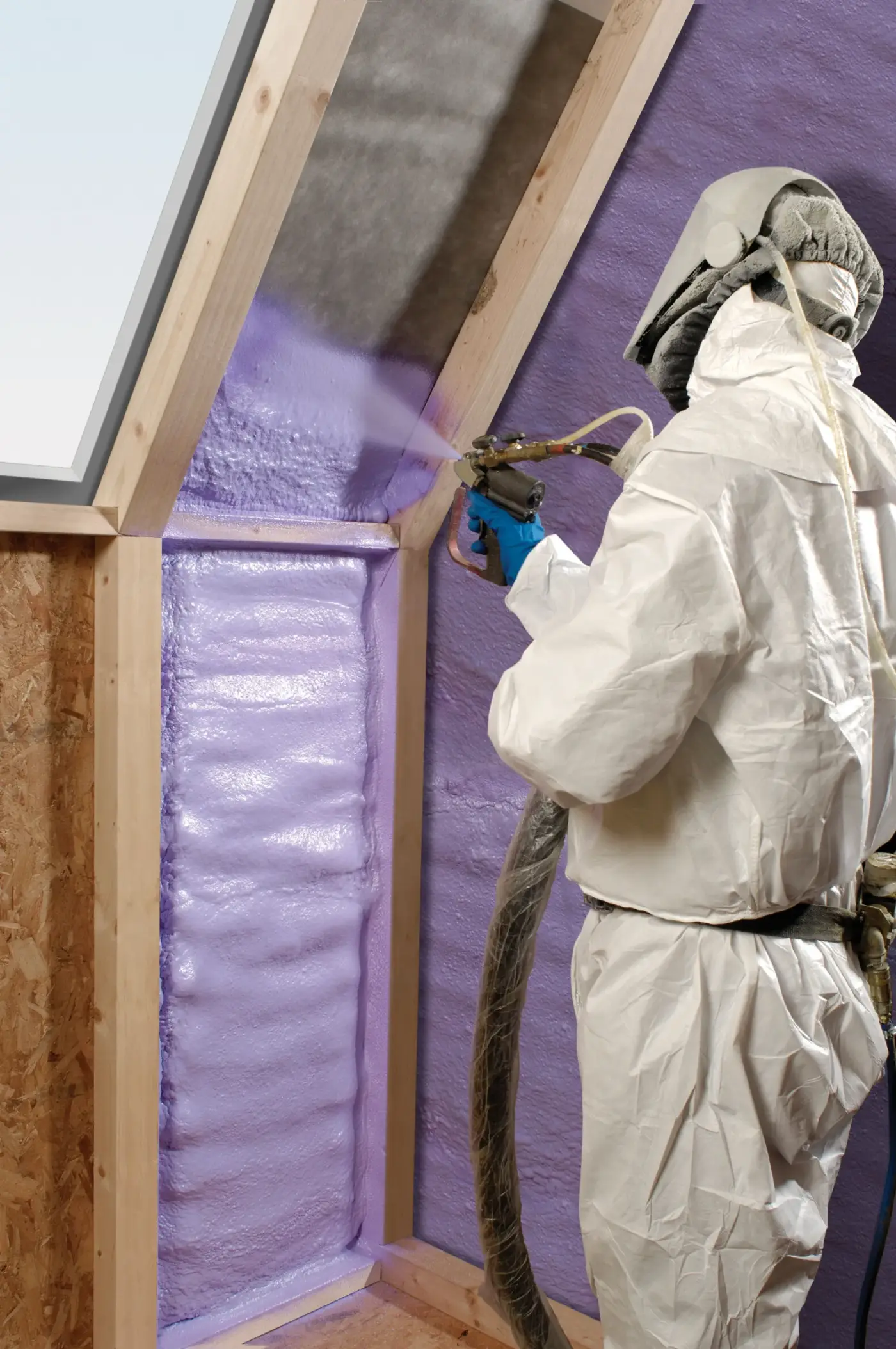
Weatherstripping, register sealing, and topping up accessible blown-in are fair homeowner turf. Two-component spray foam is not: kits cost more per board foot than pro work at any real scale, cure chemistry punishes bad technique, and roofline work involves ventilation and code decisions worth getting right once.
Timing the call
The evaluation is worth booking before summer, when fixes install in comfortable conditions and beat the cooling season they are meant to tame. If the trigger is a failing AC, insulate first — right-sizing the next unit against a fixed envelope is how you stop buying capacity to fight your own attic.
Make the call before July does
Book the evaluation in spring: the fixes install in decent weather and the first brutal week proves them. Bring last summer's bills to the visit — the before-and-after math is the part worth watching.
And if an AC replacement is looming, stop: envelope first, equipment second, always. The sealed house wants a smaller unit, and smaller is cheaper twice.