Skip to content
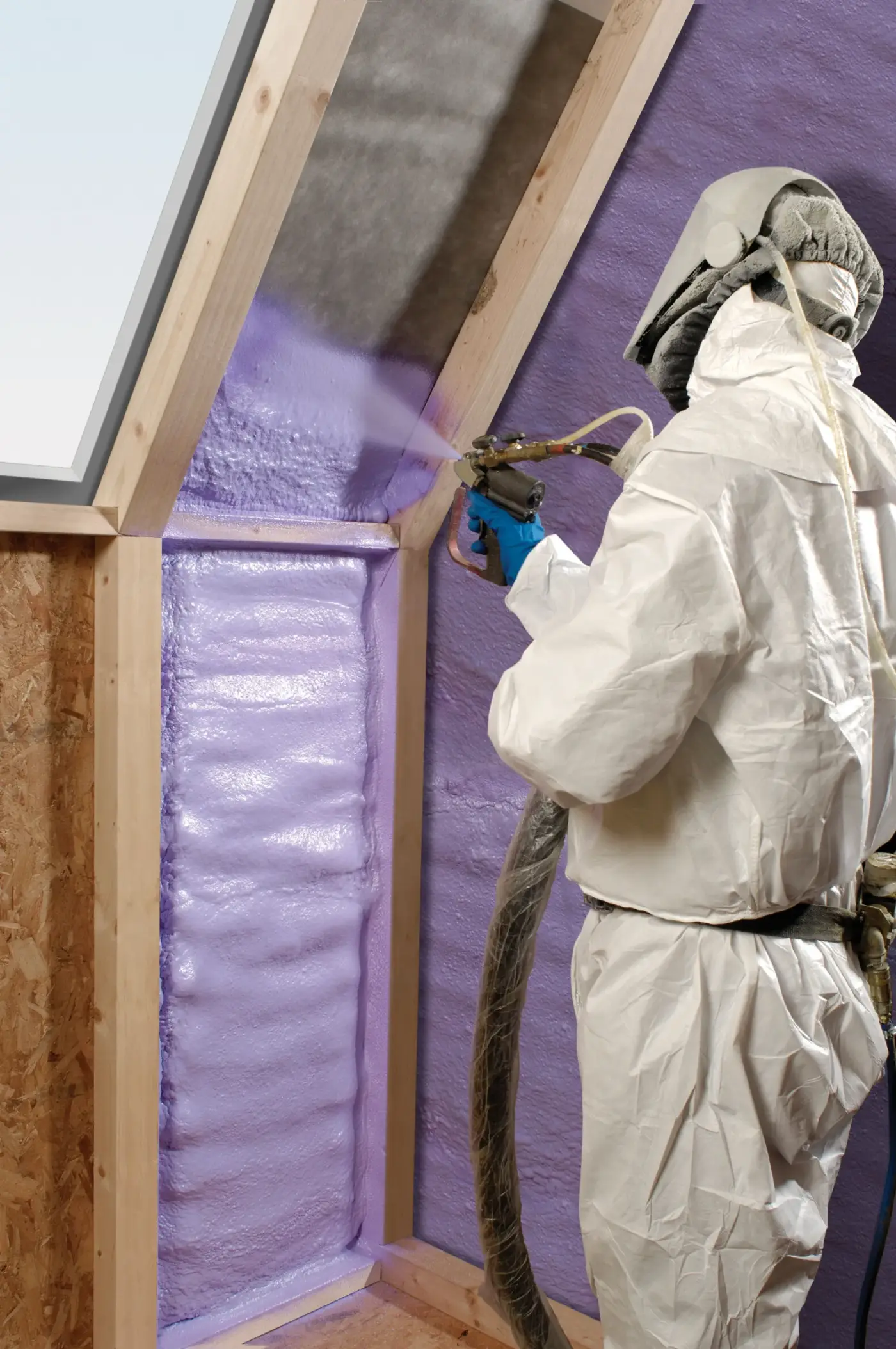
Spray foam insulation being applied to attic roof and walls

Attic Inspection Repairs

Addressing Attic Insulation Notes from Your Home Inspection

A home inspection can reveal important details about your attic's insulation and air sealing. If your report mentions deficiencies, it's time to understand the implications and solutions.

In Las Vegas's climate, a properly insulated and sealed attic is vital for maintaining comfortable indoor temperatures and preventing energy loss. Addressing inspection findings ensures your home is protected.

What to Do After an Attic Inspection

If your Las Vegas home inspection report points to attic insulation or air sealing issues, it's important to address them. These problems can lead to higher energy bills, uncomfortable temperatures, and potential moisture issues. Spray foam insulation provides a robust solution by sealing air leaks and adding a thermal barrier, often recommended for areas with significant temperature fluctuations.

Common Attic Inspection Findings

Home inspections in Las Vegas often identify issues like inadequate insulation depth, gaps in existing insulation, and air leaks around plumbing vents, electrical wiring, and attic access points. These can allow hot attic air into your living space or conditioned air to escape, impacting comfort and energy costs.

Why Attic Air Sealing Matters

Air sealing is as important as insulation itself. Unsealed gaps and cracks in the attic floor or around the top plates of walls allow significant air infiltration. This is particularly problematic in Las Vegas's dry, dusty environment, where dust and allergens can easily enter your home through these pathways.

Spray Foam as a Solution

Spray foam insulation offers a dual benefit of air sealing and insulation in one application. It expands to fill cavities and cracks, creating a continuous barrier. For attics, this means better control over temperature and reduced energy loss, especially crucial with the extreme desert heat.

Next Steps After Inspection

Before starting any work, review your inspection report carefully. Consider consulting with an insulation professional to discuss the specific recommendations and how spray foam can effectively address them. Ensure any contractor you choose is familiar with Las Vegas building codes and climate challenges.

Attic Inspection Follow-Up Checklist

  • Review the specific attic-related findings in your inspection report.
  • Understand the potential impact of each issue on energy efficiency and comfort.
  • Research spray foam insulation as a solution for air sealing and insulation.
  • Verify that the contractor has experience with attic applications in hot climates.
  • Ask about the type of spray foam (open-cell vs. closed-cell) and its suitability for your attic.
  • Confirm any necessary permits or inspections required by local Las Vegas authorities.

Related Attic Insulation Topics

Discover more about how proper attic insulation and air sealing can transform your home's comfort and energy use in the Las Vegas heat.

Attic Inspection FAQs

Can I just add more insulation over existing insulation?

While adding insulation can help, it won't fix air leaks. Air sealing the attic first is crucial for maximizing the effectiveness of any insulation, new or old.

What if the inspection mentioned mold in the attic?

Mold indicates a moisture issue, often related to ventilation or leaks. Address the source of moisture before insulating. Spray foam can help prevent future moisture issues once the source is resolved.

How does spray foam handle attic ductwork?

Spray foam can be applied around ductwork to seal leaks and insulate them, preventing conditioned air loss and improving HVAC efficiency. This is a common recommendation for attic inspections.

Do I need a permit for attic insulation work?

Permit requirements vary. It's best to check with your local Las Vegas building department or ask your insulation contractor about any necessary permits for the work.

Call Now (725) 350-0768